Home energy
Building resilience with home energy and reducing emissions
Tackling the cost of home energy and reducing emissions.
Simple ways to keep your home comfortable
Many simple actions can help keep your home cooler in summer and warmer in winter.
Manage indoor temperatures
Close curtains or blinds: keep them closed to block heat on hot days or retain warmth when it is cold.
Use a hot-water bottle year-round: fill it with hot water for warmth, or use cold water to help you cool down.
Prepare meals efficiently
On warmer days, choose meals that do not require cooking to avoid adding extra heat to your home. When you want a hot meal, appliances such as air fryers, microwaves and slow cookers can often use less energy, and cost less to run, than a conventional oven.
Reduce hot-water use
Take shorter showers: aim for around four minutes to reduce the energy needed to heat water as well as the amount of water you use.
For more ideas, read Great Green Bedwyn's quick tips to save energy at home.
From our Cooler Homes event
Cooler Homes: practical ways to beat the heat that make home warmer in winter too
The Green Vale Cooler Homes event brought local people together with experts to explore straightforward, affordable ways to reduce overheating.
Read the write-upKeeping warm in winter
Many of the same principles can help a home stay warmer in winter. The aim is simply reversed: make the most of useful heat, slow down heat loss and ventilate in a controlled way so that the home remains comfortable without trapping excess moisture.
Use sunlight when it helps. Open curtains and blinds on sunny winter days, particularly on south-facing windows, to allow solar warmth into rooms. Close them before dusk to create an extra barrier between the warm room and cold glass. External shutters can also help reduce heat loss overnight when they are suitable for the property.
Keep heat in. Plenty of loft insulation, a well insulated hot-water cylinder and attention to gaps around doors, windows and loft hatches all reduce avoidable heat loss. Curtains should not cover radiators, and furniture should be kept far enough away to let warm air circulate. Before adding insulation, coatings or draught-proofing, check that they are appropriate for the building and do not block essential ventilation.
Ventilate briefly and effectively. Rather than leaving windows slightly open for long periods, use short bursts of ventilation when needed to clear moisture and stale air, especially after cooking, drying clothes or bathing. Keep internal doors closed around cooler or damp rooms, use extractor fans where fitted, and avoid blocking permanent vents.
Reduce wasted energy. Switch off unused appliances, use LED lighting and make sure heating and hot-water controls match when rooms are occupied. Heat the rooms you use, close doors to less-used spaces and seek professional advice before altering boilers, cylinders or unfamiliar controls.
As in summer, the most effective approach is layered: manage the sun, improve the building fabric, control ventilation and reduce unnecessary energy use. Together, these measures can make homes more comfortable throughout the year while helping to keep energy bills and carbon emissions down.
Thermal surveys and cameras
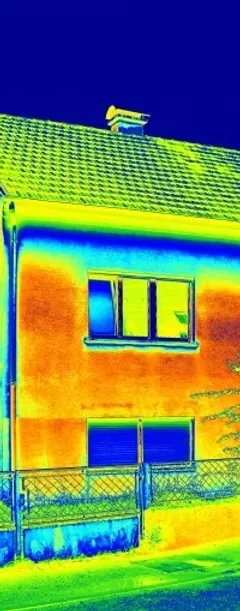
How to request a thermal survey. To ask about a thermal-imaging home survey, contact Great Green Bedwyn at greatgreenbedwyn@gmail.com or Pewsey Green by emailing contact@pewseygreen.org.uk, or visit www.pewseygreen.org.uk for the latest local information.
Wiltshire library scheme. Residents in the wider Wiltshire area can also borrow thermal imaging cameras free of charge from Wiltshire Council libraries. These connect via Bluetooth to smartphones or tablets using the FLIR ONE app to detect household drafts and insulation gaps. However, it can be hard to interpret the results, especially if the sun has been shining on your house, so it is best to use one on a cold, cloudy day.